

Understanding the basics of Blockchain and why it matters in 2026
It’s 2026 and you know that tech has become the new oil and gas, not only creating a source of massive income for its users, but also laying a foundation for a new world order. In an era where technology’s terrains are vastly expanding and cutting across diverse industries, a lot of people still don’t fully understand what many of its concepts are really about. One of which is the Blockchain technology, the backbone for the new internet era.
Blockchain is here to change how we trust and transact with one another. If you are new to the concept and you don’t know how it works, or what it’s used for, then this guide is for you.
As a writer, I have learnt that in trying to understand a new principle, it helps to first know what it isn’t.
Blockchain is not Bitcoin, Ethereum, or like any other cryptocurrency you might have heard about. Instead, blockchain is the technology that powers the operations of these cryptocurrencies even though its application is beyond cryptocurrency. This is why blockchain is often closely linked with cryptocurrencies, especially Bitcoin.
Bitcoin and Blockchain
“Satoshi Nakamoto”, the pseudonymous bitcoin founder, released the blueprint for the world’s first digital currency in 2008. In it, the blockchain was described as a system where people would be able to send money directly to each other without the need of a traditional bank. This would be made possible by distributing data across multiple computers and creating a ledger system with cryptographic techniques, ensuring that records remain unaltered.
Even though a fundamental part of the concept had been earlier conceived by Stuart Haber and W. Scott Stornetta in 1991, the blockchain technology was first put into application in 2009 when Bitcoin launched.
What is the Blockchain?

What is the blockchain? Source: Investopedia
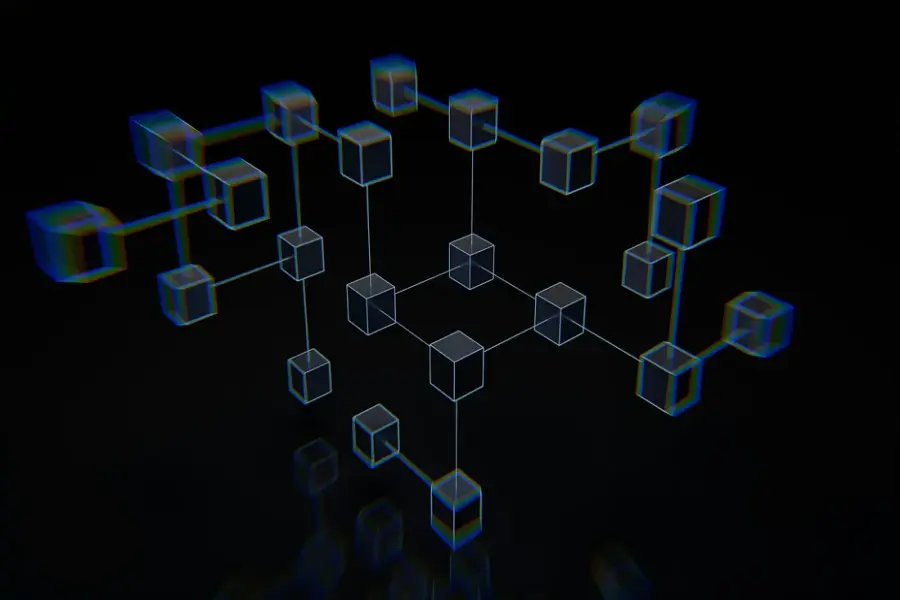
“Blockchain is a decentralized digital ledger that securely stores records across a network of computers in a way that is transparent, immutable, and resistant to tampering. Each “block” contains data, and blocks are linked in a chronological “chain.” — Investopedia
There’s no need to panic if you read that definition and feel even more confused. Let’s break it down step by step.
Comments (0)
Sort By :
Leave A Comment

Cursor
- Animated
- Default
Direction
- LTR
- RTL